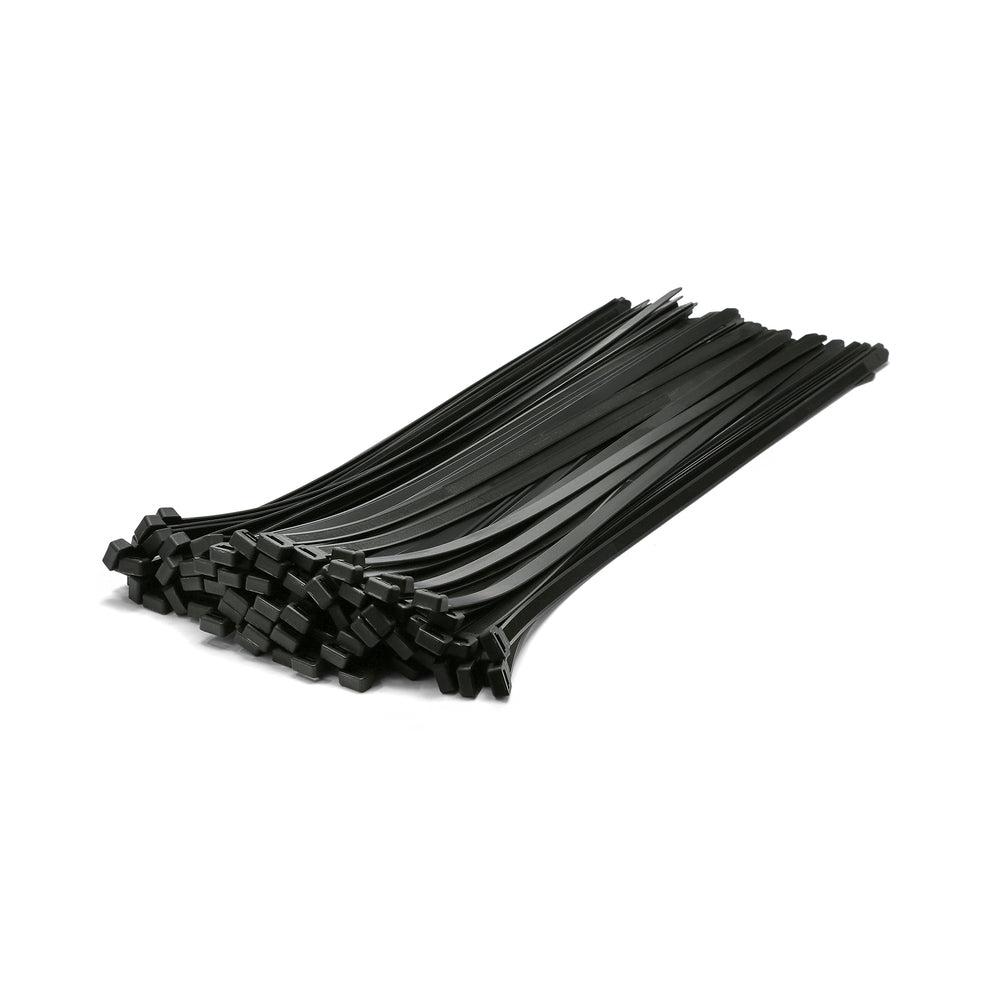
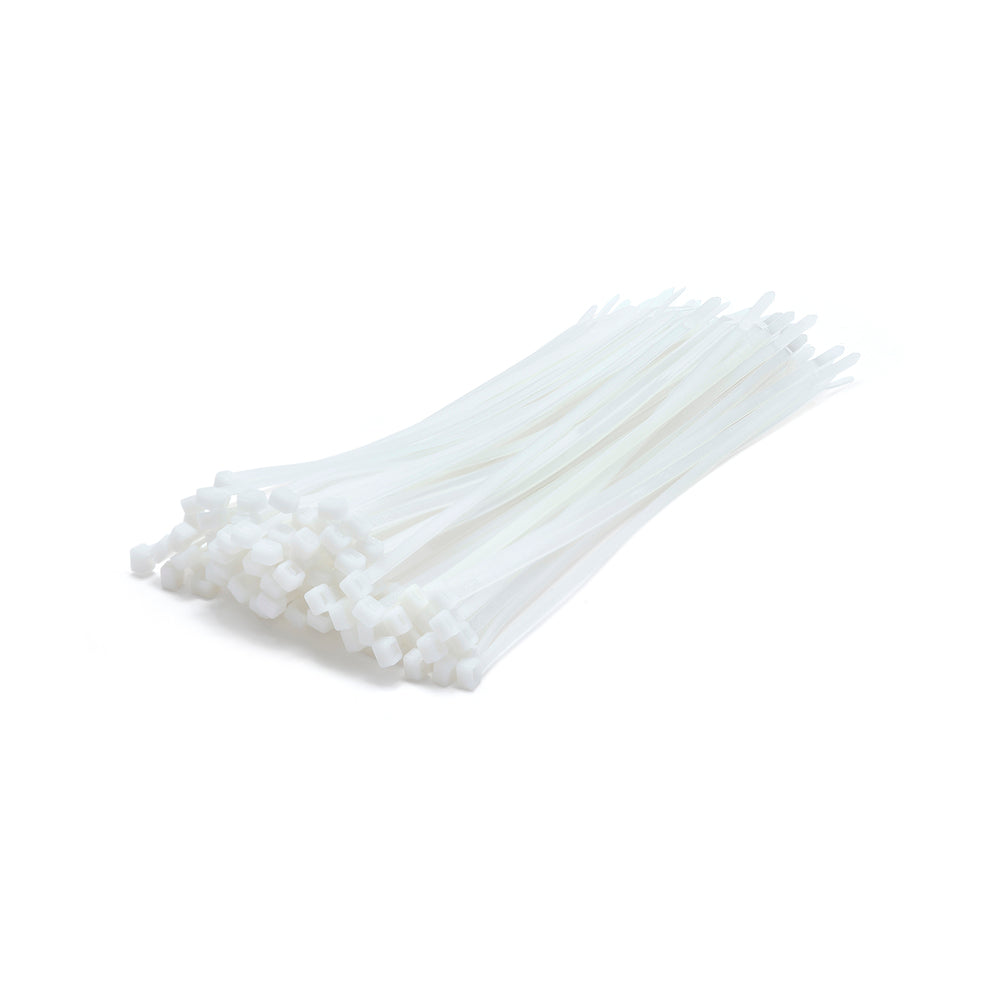
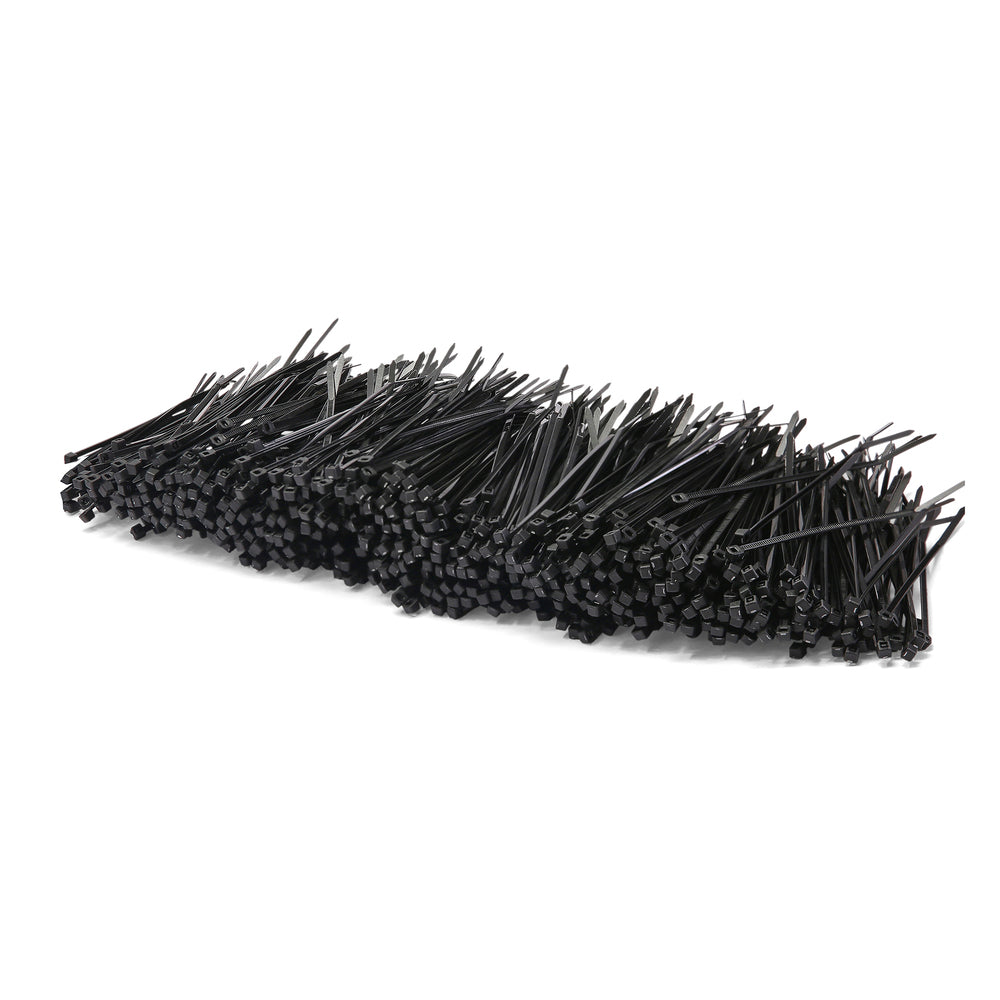
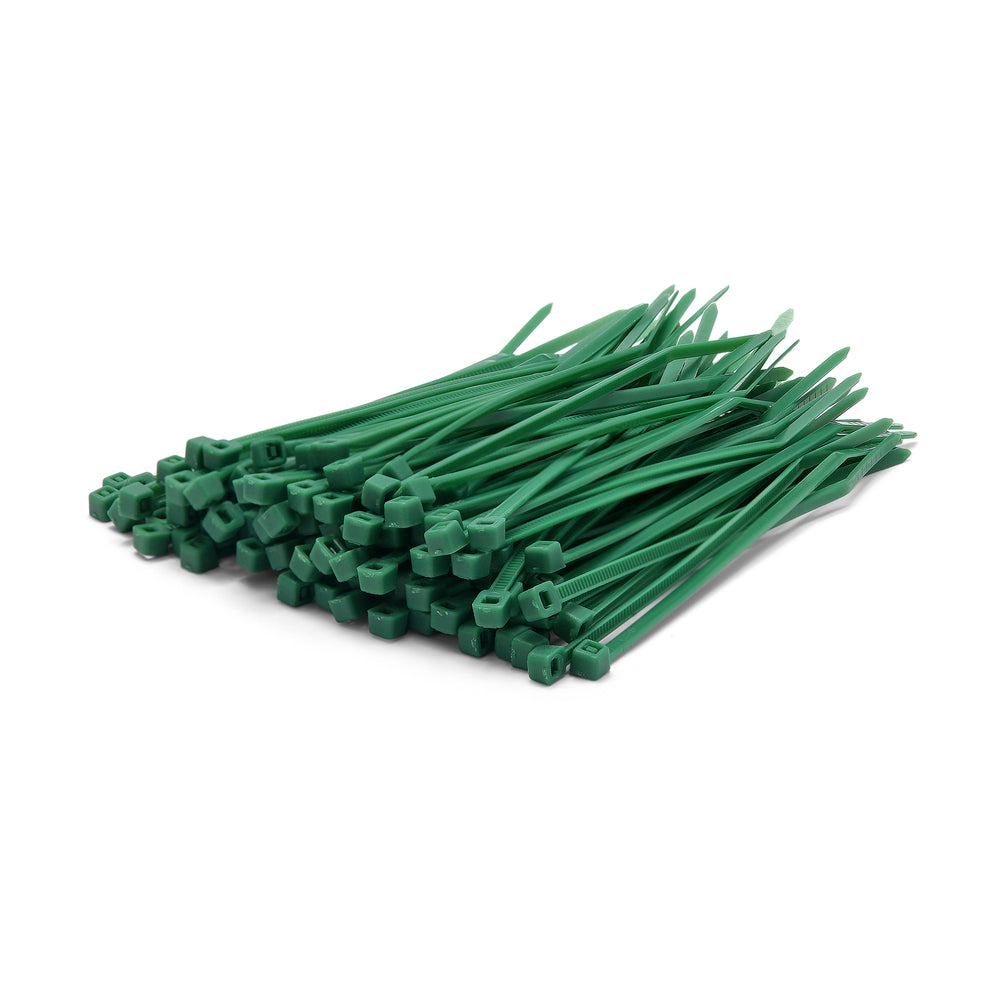
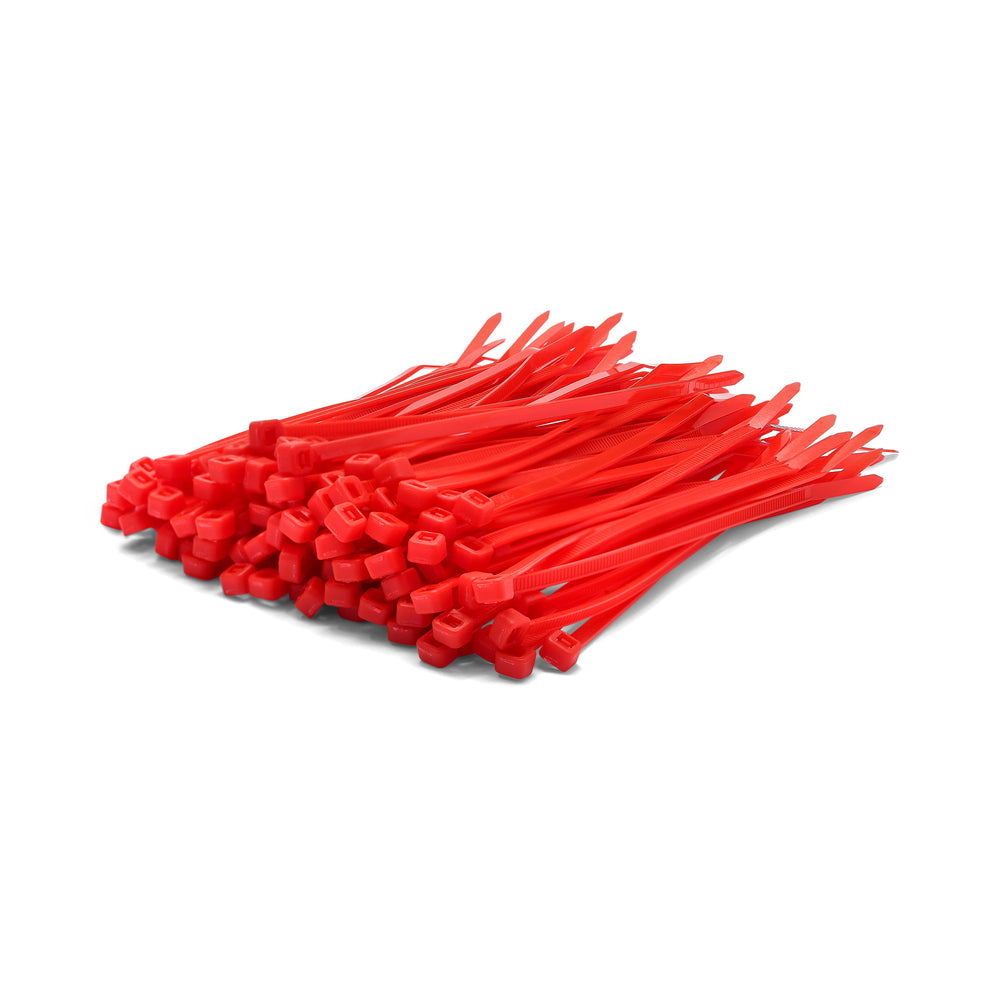
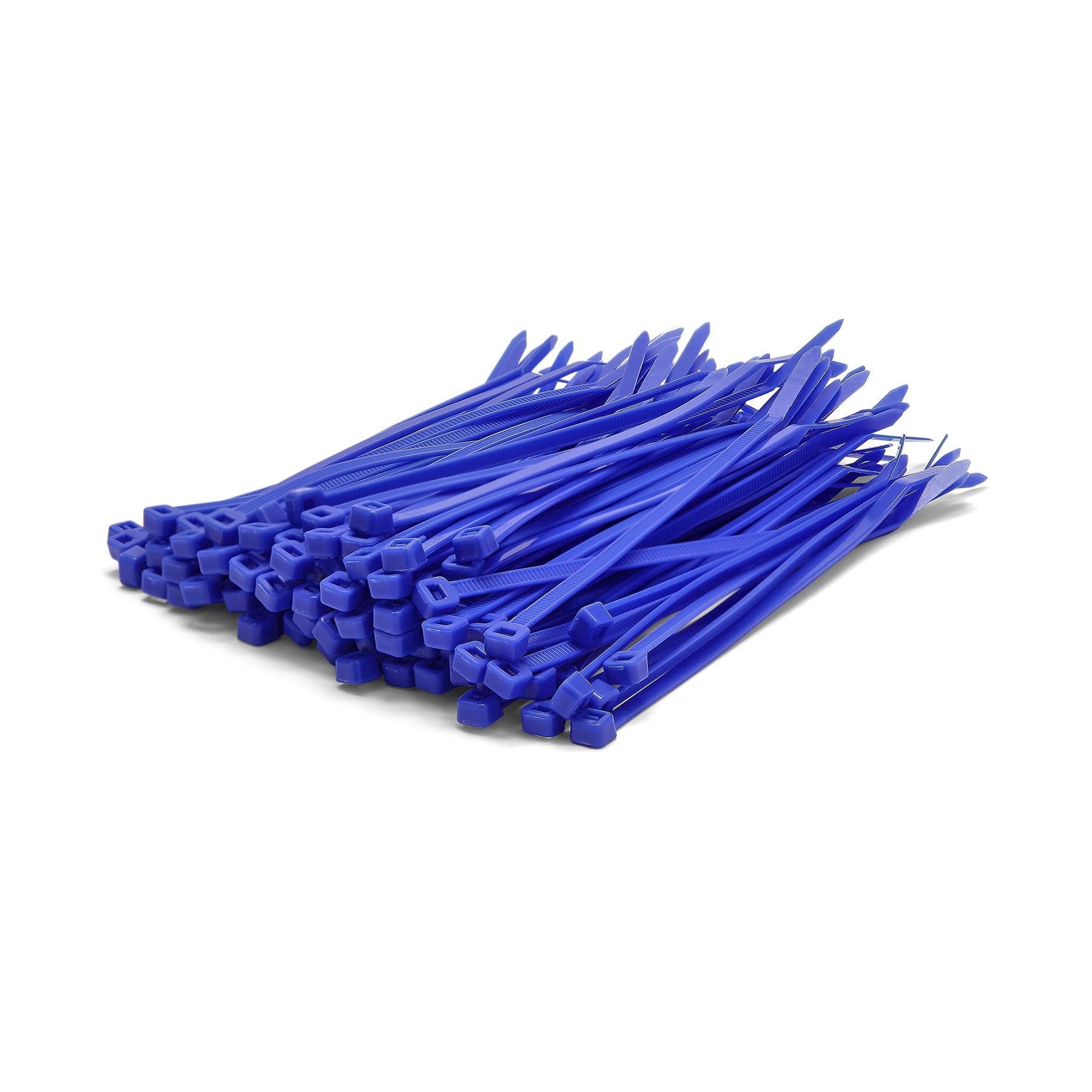
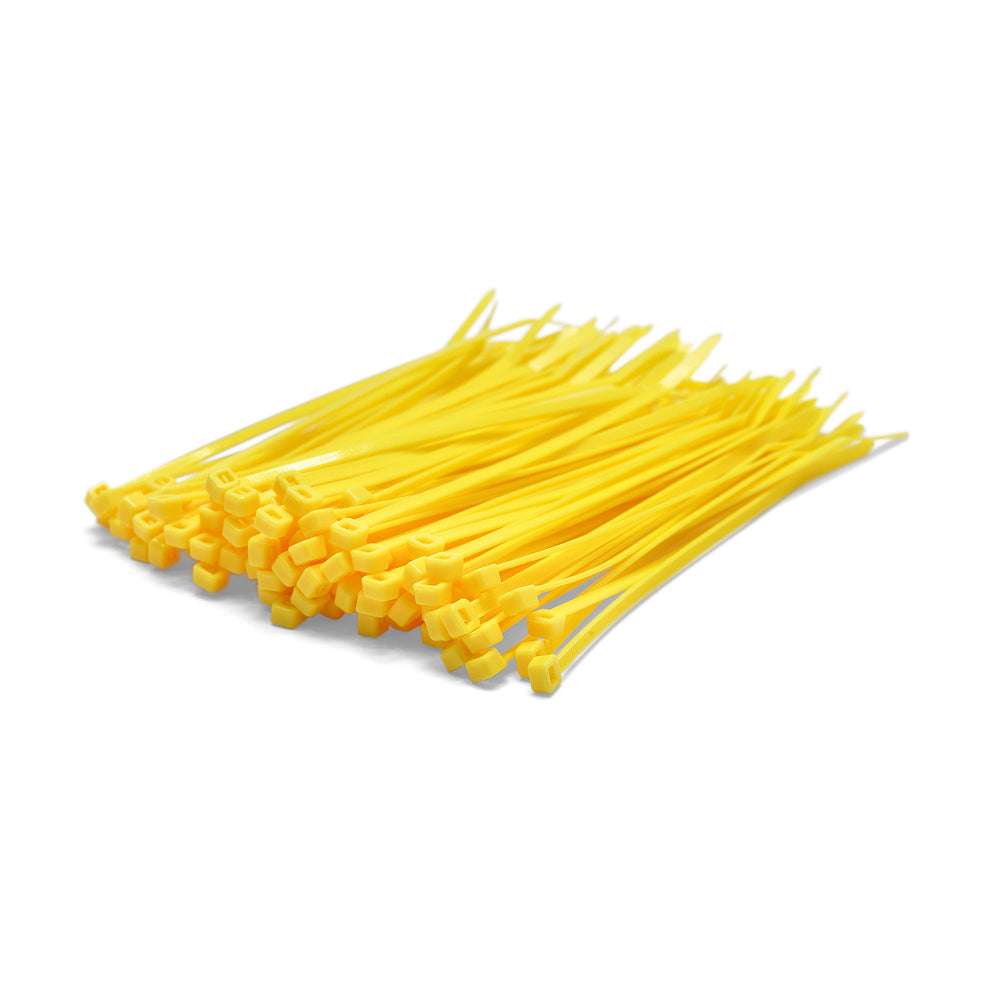
Whether you are a professional electrician stocking up for a major contract or a DIYer organising a home workshop, how you store your nylon cable ties determines how well they perform.
Most high-quality ties (like our nylon cable ties) are manufactured from Nylon 6,6. This material is favoured across the UK industry for its impressive tensile strength and chemical resistance. However, Nylon 6,6 is hygroscopic, meaning it behaves like a sponge—it naturally absorbs and releases moisture from the air.
If a cable tie loses its internal moisture, it becomes brittle. This leads to "snapping," which can be frustrating at home and dangerous on a professional job site. Here is how to keep your stock in peak condition.
1. Managing Unopened Inventory
Manufacturers typically seal cable ties in airtight polythene bags with a moisture content of approximately 2.5% by weight. This keeps the nylon flexible. You may occasionally notice small white specks or a light residue inside a new bag; this is simply non-toxic residue from the hydration process during packaging.
Respect the Seal: Only open a bag when you are ready to start the installation. The factory seal is the most effective barrier against the drying effects of the British climate (especially indoor heating).
Optimal Temperature: Store your stock in a cool, dark place. While the ideal is around 23°C, the most important factor is avoiding "hot spots." Keep bags away from radiators, heaters, or direct sunlight in a van or warehouse.
The FIFO Method: Always practice 'First In, First Out' inventory rotation. Even in sealed bags, nylon performance can dip after several years. Always reach for your oldest stock first.
2. Best Practice for Opened Bags
Once a bag is snipped open, the nylon begins to "equilibrate" with the surrounding environment. In centrally heated homes or dry workshops, this process happens quickly.
Reseal Immediately: If you only need a few ties for a quick fix, don't leave the bag gaping open. Squeeze out the excess air and reseal the bag with tape, a robust clip, or a zip-lock.
The "Hydration Trick": If you are working in a particularly dry environment or during a hot UK summer, you can maintain humidity by adding a few drops of water (distilled is ideal) into the bag before resealing.
Avoid Open Bins: Many DIYers and workshops use open-top "parts bins." While convenient, this exposes the ties to constant airflow. If you prefer bins, ensure they have tight-fitting lids to lock in moisture.
3. Tip: How to Revive Brittle Ties
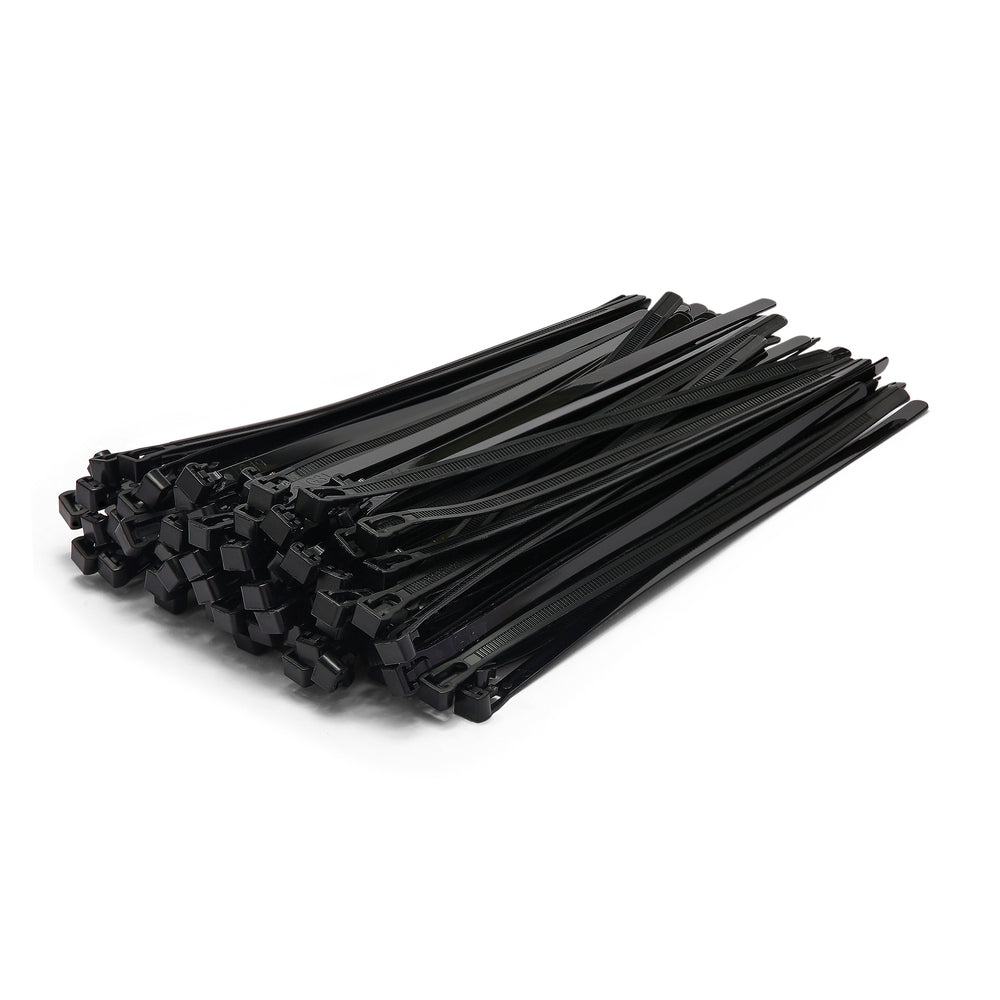
Found a stash of old, "snappy" ties at the back of the shed? Or are you looking to simply use the reusable cable ties again that have come stiff after a couple of years? You don't necessarily need to bin them. You can often restore their flexibility by placing them in a sealed container or heavy-duty bag with a damp (not soaking) cloth for 24–48 hours. The nylon will reabsorb the moisture, regaining the "give" required for a secure installation.